Mostrar mensagens com a etiqueta jardin. Mostrar todas as mensagens

Anne Whiston Spirn, Mikyoung Kim Design Win National Design Awards


The Cooper Hewitt, Smithsonian National Design Museum has announced its 2018 award winners. Among the 10 winners for a variety of design disciplines, MIT planning and landscape architecture professor Anne Whiston Spirn, FASLA, took home the award for “design mind” and Mikyoung Kim Design won for landscape design.

Spirn, who is the Cecil and Ida Green distinguished professor of landscape architecture and planning at MIT, is author of the seminal book The Granite Garden, which is now seen as the foundation of the ecological urbanism and landscape urbanism planning and design movements.
The Cooper Hewitt writes that Spirn’s “writings and action research have brought forth a new state of mind among designers and the general public—provoking the integration of city and nature, advancing design theory and practice, and transforming how people see and act.”
In an 2015 interview to mark the 30th anniversary of The Granite Garden, Spirn discussed progress since the book’s release and where we still come up short:
“We’ve made enormous progress, particularly with water. Ironically, we’ve done less well on climate and air quality. I say ironically, because there’s so much awareness of climate change these days. There’s been a lot of attention paid to design proposals aimed at adapting to rising sea levels, but less to the enormous potential that the design of cities holds for reducing the factors that contribute to climate change in the first place. We need to truly re-imagine the way we design cities.”
And for 30 years, Spirn led the West Philadelphia Landscape Project, an “investigation into how to improve environmental equality and social equity at the same time.” On this work, Spirn said:
“The West Philadelphia Landscape Project was a laboratory for working out ideas about the language of landscape and landscape literacy. It was extraordinary working with 12- and 13-year-olds in Mill Creek, a low-income African-American neighborhood in West Philly, as they learned how to read that landscape.” Learn more about Spirn.
Mikyoung Kim, FASLA, founding principal of Mikyoung Kim Design, was recognized for an “exceptional body of award-winning work that redefines the discipline of landscape architecture and inhabits the intersection of art and science.” Kim leads the firm along with Bryan Chou, ASLA, design leader, and Ian Downing, ASLA, technical leader.
Mikyoung Kim Design works at all scales — from big-picture master plans and large urban parks to bespoke residential spaces and art installations. The firm designs unique places that are not only sustainable and resilient but also magnets for people, especially kids. The firm makes memorable use of materials, transforming them through an intensive, creative process.
Mikyoung Kim Design is perhaps most well-known for its ChonGae Canal Source Point Park in Seoul, South Korea, along the banks of the restored Cheonggyecheon stream. The park became a model for stream and river restoration in a number of other cities. An environmental and cultural asset once buried in the name of progress was unearthed and saved.
In a recent interview, Kim explained how they needed to design a healing space without exposing the patients, who had compromised immune systems, to water or soil:
“We had to put aside our preconceived notions of what healing gardens are and really start to abstract nature in order to create this indoor experience for these families and patients.”
She also explained how innovative materials helped forge the connections to nature everyone wanted:
“Throughout our design process, we worked closely with different constituents. We worked with families and patients and brought two options. We brought an option that used more natural materials, and then we brought in a design that had more innovative materials — materials people hadn’t seen before — more contemporary materials built in innovative ways. I’d say 99-percent of kids were drawn to those. They said, ‘Cool, that’s amazing. I’ve never seen that before.'” Learn more about Mikyoung Kim Design.
Also worth noting: WEISS/MANFREDI, an architecture firm known for its multi-disciplinary approach, won for architecture design. WEISS/MANFREDI collaborated with Thomas Balsley Associates to create the award-winning Hunter’s Point South Waterfront Park, a model for resilient landscape design, in Queens, New York City, and also designed the Olympic Sculpture Park in Seattle, Washington.

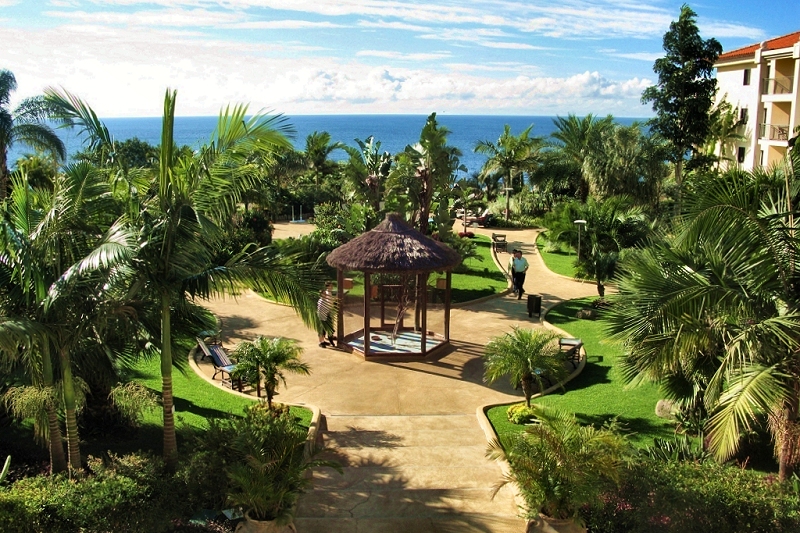
O jardim do resort Vila Porto Mare recebeu o 1º lugar na modalidade de “Unidades Hoteleiras, estabelecimentos comerciais e de restauração”, no âmbito da 15ª edição do concurso “Funchal – Cidade Florida”, dinamizado pela Câmara Municipal do Funchal.

O jardim do resort Vila Porto Mare recebeu o 1º lugar na modalidade de “Unidades Hoteleiras, estabelecimentos comerciais e de restauração”, no âmbito da 15ª edição do concurso “Funchal – Cidade Florida”, dinamizado pela Câmara Municipal do Funchal.
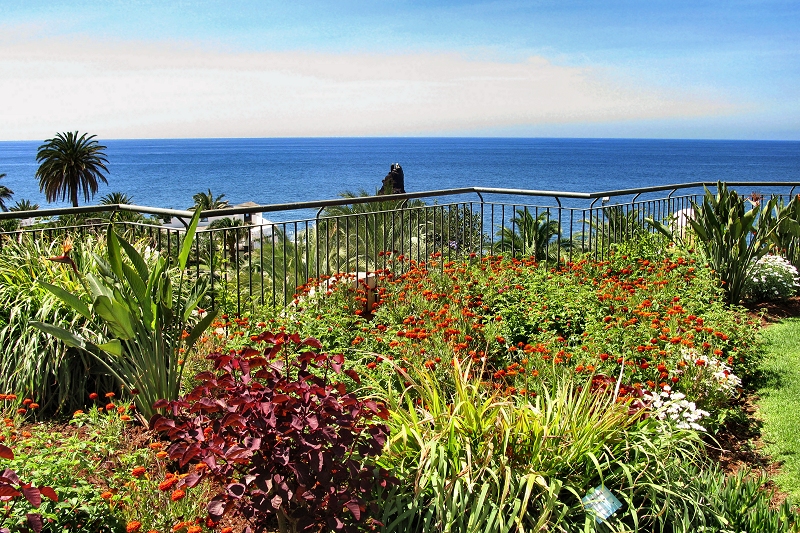
Projetado pelo arquiteto paisagista Gerald Luckhurst, apresenta uma grande diversidade de espécies botânicas, das quais conta com cerca de 500 espécimes, da Madeira mas também vindas dos quatros cantos do mundo. Estão identificadas 106 famílias, 355 géneros, 460 espécies e 555 táxones (espécies, subespécies e cultivares), números que o colocam na Classe excecional do Índice de riqueza florística.
Pensado inicialmente para embelezar a zona de solário, depressa se tornou um espaço de culto, capaz de posicionar a unidade como um hotel botânico. As plantas ostentam placas com informação sobre o nome científico, nomes vulgares em português e inglês, família e área geográfica de origem.
O jardim organiza-se em patamares e possui um espaço dedicado às orquídeas, às árvores de fruto, uma horta tradicional madeirense e ainda o cantinho das ervas aromáticas, as quais sempre que possível são utilizadas nas confeções da cozinha central do grupo Porto Bay.
O Vila Porto Mare integra três unidades hoteleiras – Suite Hotel Eden Mar, Hotel Porto Mare e The Residence, as quais partilham facilidades comuns. Uma mancha de cerca de 13 mil metros quadrados de jardins destaca-se no conjunto do resort, a qual tem vindo a amadurecer desde dezembro de 2003, altura em que foi inaugurado.
 
 
Click to zoom
The garden of the Vila Porto Mare resort has an area of 13400 m² (10100 m² of flowerbeds and lawns; 3300 m² of impermeable area) and was created in two stages.

The oriental section, older and smaller, next to Suite Hotel Eden Mar, was designed and planted in 1988 by Estufa, a company run by technical engineer Duarte Caldeira, under the supervision of agronomy engineer Rui Vieira.

Landscape architect Gerald Luckhurst designed the second stage and the plantation was done in January, 2003.

Many plants were produced at the Jardim Formoso nurseries, in Sintra. Others were bought from italian nurseries (Lazio) and from the South of France. Most palms were purchased at Alicante and Malaga (Spain).
Click to zoom
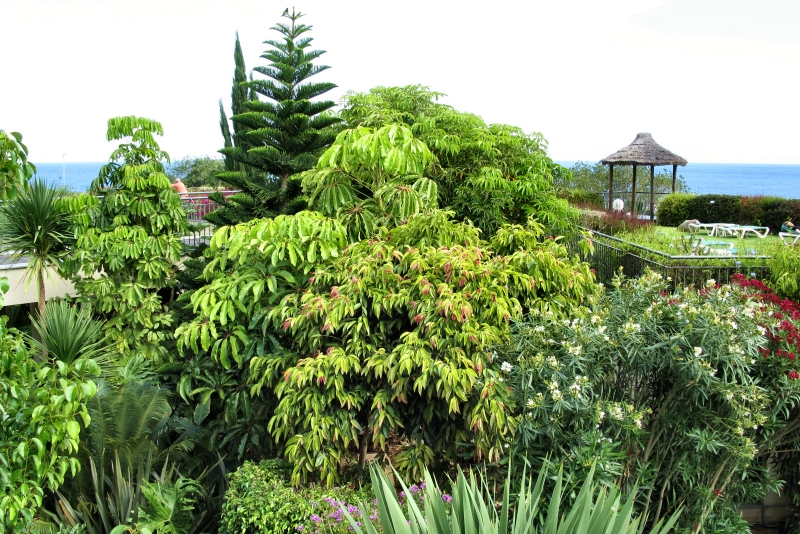
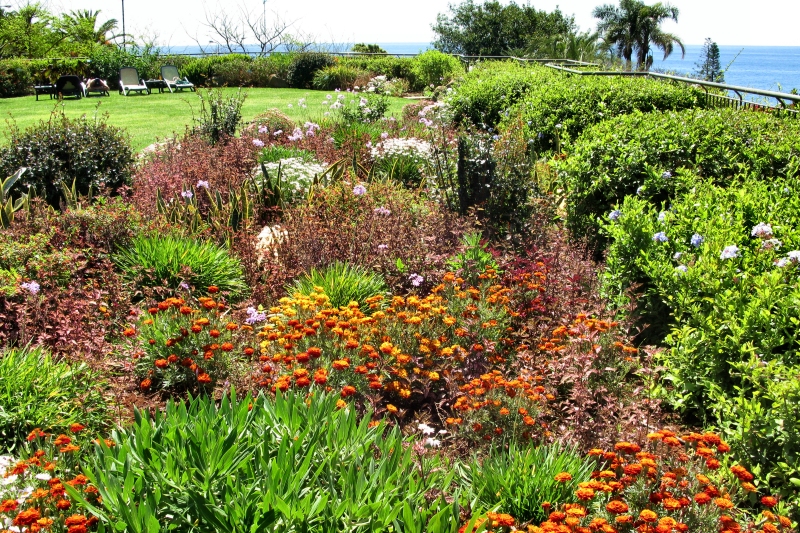
The morphology and atmosphere of this garden show a conceptual connection to the cottage gardens of the british colonies, with a strong presence of tropical and subtropical flora. Species from Australia and the Pacific Islands, Central and South America, Southern Africa and Tropical Asia play a significant role in the remarkable ornamental performance and show a good adaptation ability to the seafront climate, reacting very well to the sea air.
Click to zoom
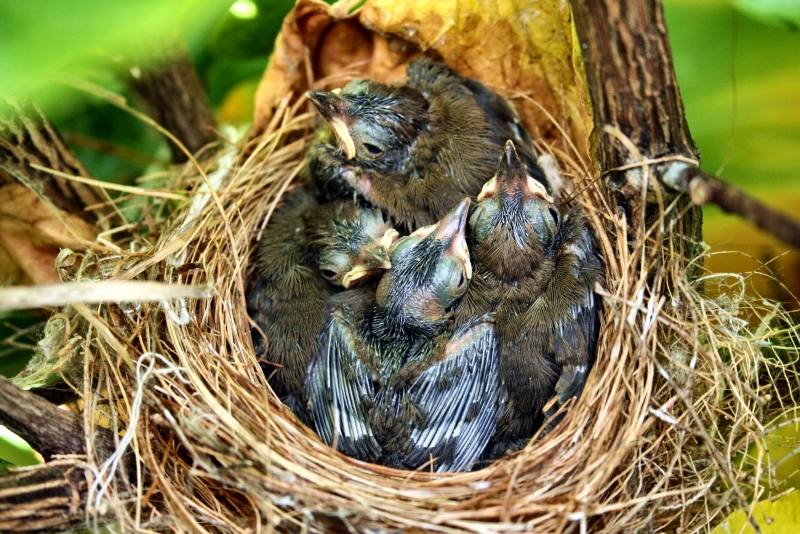
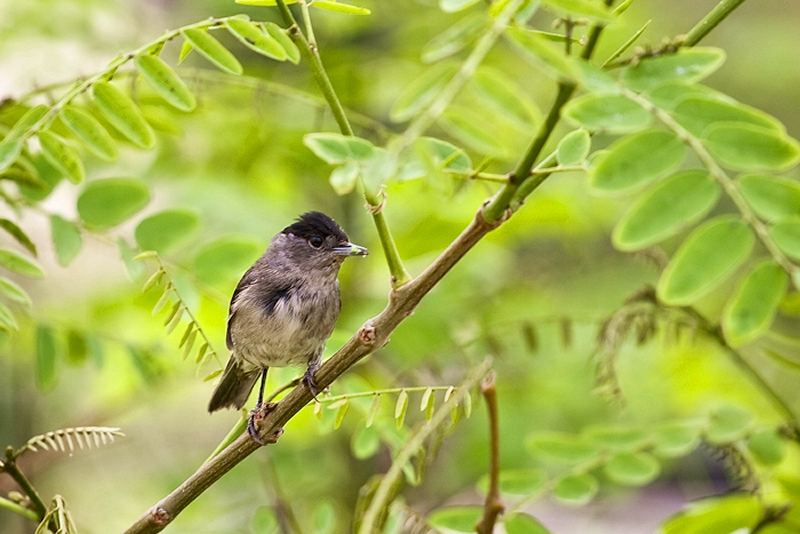
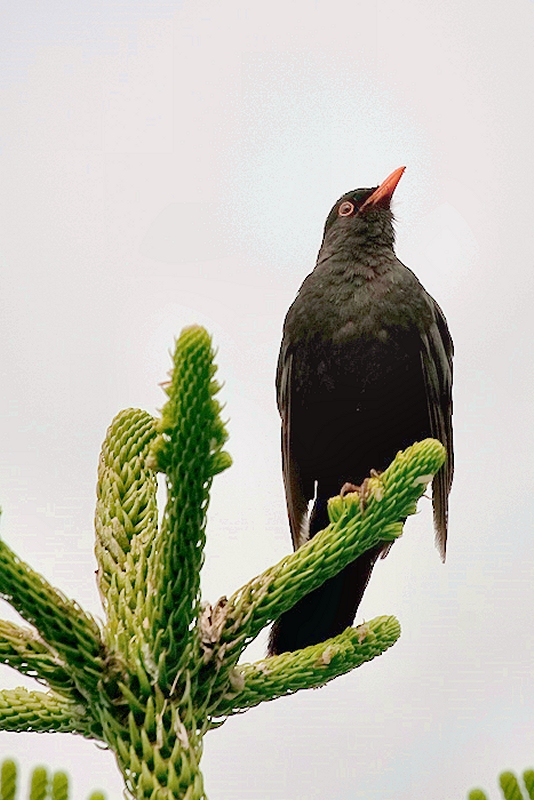
The garden is arranged into three planes. In the intermediate level, a small forest serves as a haven for nesting blackbirds, warblers, sparrows and canaries, which sing all year round for the guests.

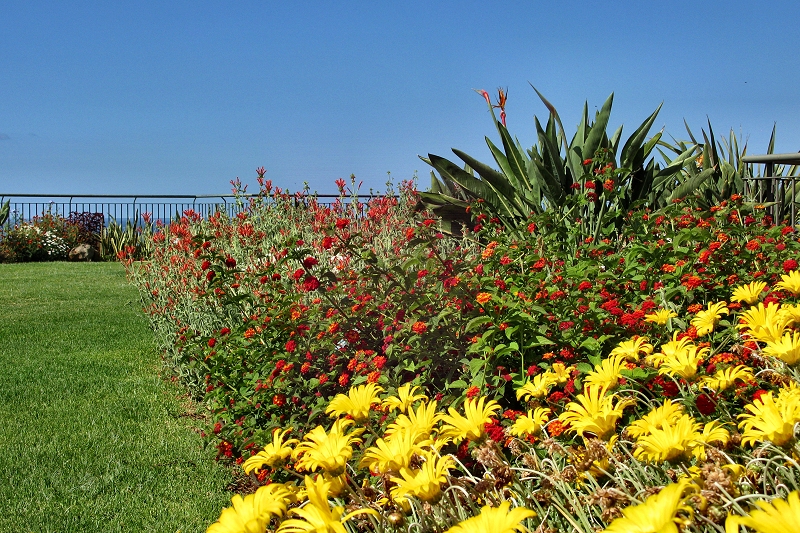
The prevalence of the trees and shrubs with persistent leaves is clear, and the rhythm of the seasons is set by the colour of flowers throughout the twelve months of the year.
Click to zoom
The collection of palm trees is made of 44 species, a greater variety than that of the collection of the Botanical Garden of Madeira.

Sugar cane, grapevine and banana, the three most striking plants of the agricultural landscape of Madeira, are mixed with the ornamental plants in a most fortunate way and bring the attention of the visitors to the economic history of the Island.
Click to zoom
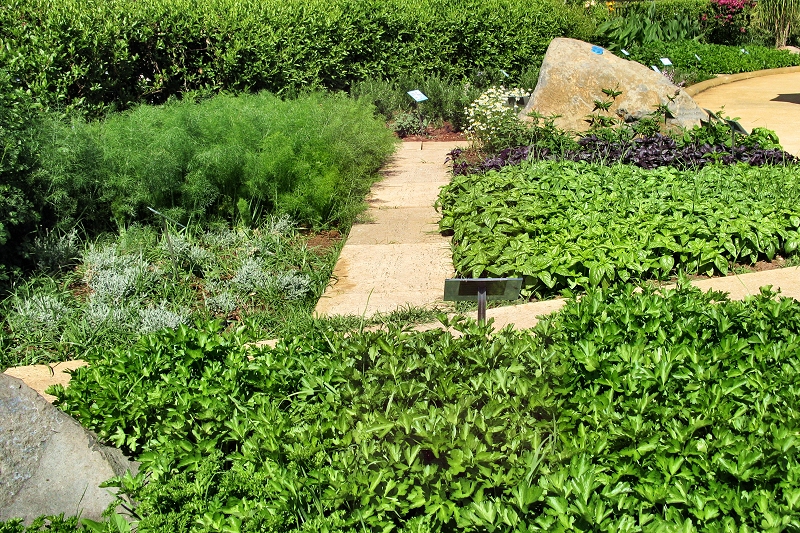
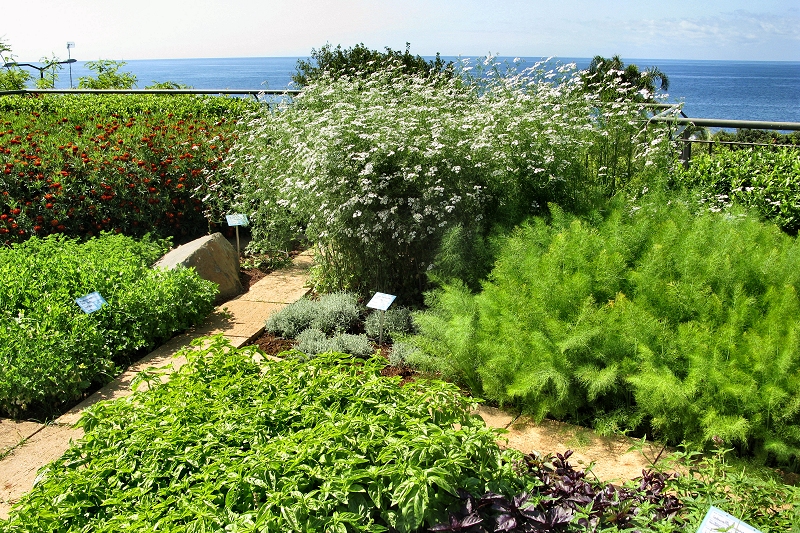
Since 2008 new beds were set for vegetable greens, aromatic and medicinal herbs, with the purpose to bring new scents and flavours to the guests. The vegetable heritage was also enhanced with plant species endemic to Madeira, with special incidence of the xerophile plants of the shoreline.

Aiming at an ecologically sustainable management, the irrigation is done with water from the ‘Levada dos Piornais’, which drastically reduces the use of drinking water. In 2008 equipment was installed for the production of organic compost from the aerobic fermentation of the leaves, coffee grounds, egg shells, remains of fruit and vegetables, and the reduction of chemical fertiliser use is already significant.
Click to zoom
At the garden of Vila Porto Mare one can find 98 families, 314 genera, 398 species and 472 taxa (species, subspecies and cultivars), numbers that place it in the EXCEPTIONAL CLASS OF TAXONOMIC RICHNESS. All plants are identified with signs which provide the visitor with information about the scientific name, common names in Portuguese and English, family and geographical area of origin.

Raimundo Quintal
Centre of Geographical Studies
University of Lisbon
 
Click to zoom
O Jardim do Resort Vila Porto Mare ocupa um espaço de 13400 m² (10100 m² de canteiros e relvados; 3300 m² de área impermeabilizada) e foi criado em duas etapas.

A parte oriental, mais antiga e mais pequena, junto ao Hotel Eden Mar, foi projectada e plantada em 1988 pela empresa Estufa do engenheiro técnico Duarte Caldeira, sob a orientação do engenheiro agrónomo Rui Vieira.

O paisagista Gerald Luckhurst projectou a segunda fase e a plantação ocorreu em Janeiro de 2003.

Muitas das plantas foram produzidas nos viveiros da empresa Jardim Formoso, em Sintra. Outras foram compradas a viveiristas italianos (Lazio) e do sul de França. A aquisição das palmeiras foi feita essencialmente em Alicante e Málaga (Espanha).
Click to zoom
A morfologia e a ambiência deste jardim revelam uma ligação conceptual aos cottage gardens das colónias inglesas com uma forte componente florística tropical e subtropical. É significativa a presença de espécies originárias da Austrália e das Ilhas do Pacífico, da América Central e do Sul, da África Austral e da Ásia Tropical, que, para além do notável desempenho ornamental, revelam uma boa capacidade de adaptação ao clima da beira-mar, reagindo muito bem à maresia.
Click to zoom
O jardim desenvolve-se em três patamares. No nível intermédio, uma pequena mata funciona como refúgio de nidificação dos melros pretos, toutinegras, pardais da terra e canários, que durante todo o ano cantam para os hóspedes.

É claro o predomínio das árvores e dos arbustos de folha persistente, sendo o ritmo das estações marcado essencialmente pelo colorido das flores que se sucedem ao longo dos doze meses do ano.
Click to zoom
A colecção de palmeiras é constituída por 44 espécies, uma diversidade superior à colecção do Jardim Botânico da Madeira.

A cana-de-açúcar, a vinha e a bananeira, as três plantas mais marcantes da paisagem agrária madeirense, associam-se de forma bastante feliz com as plantas ornamentais e despertam o visitante para a história económica da Ilha.
Click to zoom
Desde 2008 têm sido criados canteiros com plantas hortícolas, aromáticas e medicinais, com o objectivo de proporcionar aos hóspedes novos odores e sabores. O património vegetal foi também enriquecido com espécies endémicas da Madeira, com especial incidência para as xerófilas do litoral.

Visando uma gestão ecologicamente sustentável, a rega é efectuada com água da Levada dos Piornais, o que reduz drasticamente o consumo de água potável. Em 2008 foram instalados equipamentos de produção de composto orgânico a partir da fermentação aeróbica das folhagens, borras de café, cascas de ovos, restos de fruta e hortaliças, sendo já sensível a redução dos adubos químicos.
Click to zoom
No Jardim do Resort Vila Porto Mare estão identificadas 98 famílias, 314 géneros, 398 espécies e 472 táxones (espécies, subespécies e cultivares), números que o colocam na CLASSE EXCEPCIONAL DO ÍNDICE DE RIQUEZA FLORÍSTICA. As plantas ostentam placas com informação sobre o nome científico, nomes vulgares em português e inglês, família e área geográfica de origem.

Raimundo Quintal
Centro de Estudos Geográficos
Universidade de Lisboa


Formal Garden Designing Tips
Design a beautiful garden with a pleasant ambience to enhance the setting of your home and garden. To begin with the planning of your garden designs in home, choose the theme first according to your garden and home’s needs, environment and the type of weather conditions which will be provided to your garden designs at home.
Pneumatic clamps: This requires more time and high maintenance cost for the garden design at home. This kind of garden at home might not be ideal since it requires a gardener coming to home to be maintained perfectly. Garden designs include a theme for a home garden, whether you plan to play in it, rest in there or have international garden designs? Environment which will be provided is hilly, flat, poor soil or wet soil for your garden? Climate needs to be seen essentially since the growing rainforest plants in frosty areas do not work therefore, selection of proper plans for garden designs at home is very important.
Many formal garden designs for a garden at home can be used with native plants as you can define the edges and beds accordingly. The formal garden designs require a moderate temperature. You can also keep local plants in your area to display some inspirational ideas for your garden designs.
You can plant your plants in the group of types. The formal garden at home is usually expressed through the massive usage of planting. You can also negotiate a cheaper rate in a nearby nursery when buying the plants for your garden at home in bulks. Mass planting for your garden designs can reduce the randomness as they look similar at the same time, thus enhance the beauty of your garden designs at home. Thus, it is often recommended to have plenty of small beds for your garden designs.
The next step for garden designs is to take a sample of your soil. It will help you make a decision regarding the kind of pants that you have to keep. Some require sandy soil for their garden at home; others require only clay for their garden designs. Also you need to determine beforehand how much sunlight is required to make sure that it reaches every part of your garden. Garden designs might be such that some plants are sunlight worshipers; others just require a minimal amount of sunlight for maintenance. If you require shade then invest sensibly for your garden designs and not let your money go to waste.
The final part of the garden designs at home is the installment of flowers, a fountain, sculpture or even a large exotic tree.

Iluminação de areas verdes ou paisagista

A iluminação num jardim é um importante pormenor de requinte que pode retocar no seu projecto de arquitectura paisagística.

Os pontos de iluminação são criteriosamente estudados e aplicados para criar espaços confortáveis, efeitos, sombras e aberturas de luz.

Destacam-se espécies de árvores, evidenciam-se zonas nobres, piscinas, passando por caminhos e zonas do jardim criadas para transmitir calma e prazer.

A iluminação de jardim quando aplicada da fora correcta, acrescenta à paisagem aspectos que não podem ser vislumbrados durante o dia, dando uma perspectiva diferente da casa e do jardim.

Existem variadas formas de aplicar a iluminação, consoante o efeito pretendido, tornando-se possível criar efeitos diferentes.
Pode ser aplicada:
  • a partir do solo (de baixo para cima),
  • aérea (de cima para baixo)
  • em caminhos.
A iluminação a partir do solo é mais artificial e é mais usada para criar efeitos e iluminar árvores, muros, arbustos e outros pontos que se queiram destacar no alto.

A iluminação aérea é mais natural, pois a forma como é aplicada dá o efeito da luz e sombra mais semelhante à iluminação natural.

A iluminação de caminhos é instalada ao longo dos mesmo, para delinear a passagem, ajudar na visualização nocturna, ou ainda aumentar a de segurança.


PROGRAMA DE ACTOS IBERFLORA 2011
Del 5 al 7 de octubre:
  • Exposición de Proyectos Fin de Carrera presentados al “Premio Nacional Iberflora 2011. Proyectos Fin de Carrera Jardinería y Paisajismo
  • Exposición de IBERFLORA INNOVACIÓN Nivel 3 Pabellón 3
  • Exposición de IBERFLORA 40 ANIVERSARIO Nivel 3 Pabellón 1
  • DEMOSTRACIONES EN VIVO DE ARREGLOS DE MACETAS COMO ARTÍCULO DE REGALO. Stand de la firma Vivercid. Nivel 3 Pabellón 2 Stand B32
5 de octubre:
  • Inauguración Oficial de IBERFLORA 2011
  • COPA JUNIOR DE ARTE FLORAL
Nivel 3 Pabellón 3. Trabajos de preparación
  • JORNADA TÉCNICA “LA FLORICULTURA MEDITERRÁNEA EN EL MARCO DE LAS BUENAS PRÁCTICAS AGRÍCOLAS”
10:00-13:30 h. Sala Joaquín Rodrigo. Nivel Mall.
Organiza: IVIA
09:45 h. Presentación. Innovación y Desarrollo para una floricultura sostenible. El proyecto FLORMED. D.Julián Bartual (IVIA-EEX-Elx)
    • 10:00 h. Aspectos técnicos de la producción sostenible de la flor cortada. Aplicación en el cultivo del estátice. Dª.Dolors Roca Ferrerfábrega (IVIA)
    • 10:30 h. Café.
    • 11:00 h. Protocolo de las BPAs como herramienta de valorización de la flor y la planta viva ornamental. D.Luís Martín (Técnico de Calidad de FEPEX)
    • 11:30 h. MESA REDONDA:
      • Acciones de promoción de la flor mediterránea producida por medios sostenibles. . Mª Ángeles Fernández-Zamudio (IVIA)
      • La experiencia de otras marcas europeas ya existentes:
        • Experiencia italiana : FIORI GIUSTO.
        • D. Riccardo Giordano. Direttore Mercato Fiori Sanremo.Presidente Distretto Agricolo Florovivaistico del Ponente
        • D. Alessandro Lantieri. Secretario Mercato Fiori Sanremo (Liguria-Italia).
        • ·Experiencia francesa: HORTIPOLE.
        • D. Benjamín Henault. Coordinateur SPL Horticole Var Méditerranée (Var- Francia)
    • 12:55 Debate.
  • ACTO DE CELEBRACIÓN DEL 40 ANIVERSARIO DEL CERTAMEN.
5 de octubre en el Restaurante Alameda Palace de Valencia. El programa será el siguiente:
- 21:00 horas:
  • Entrega de los I Premios Garden 2011
Organizados por la Federación Española de Asociaciones de Productores Exportadores de Frutas, Hortalizas, Flores y Plantas vivas “FEPEX” y el Grupo TPI.
Patrocinados por IBERFLORA.
Para más información pulse aquí.
  • Entrega de los Premios Extraordinarios 2011:
    • Premio Extraordinario a la Innovación, concedido y entregado por IBERFLORA. Para más información pulse aquí.
    • Premio Extraordinario a la Trayectoria Profesional.
    • Premio Extraordinario a la Empresa Exportadora.
    • Premio Extraordinario a la Fidelidad y Apoyo a IBERFLORA.
    • Premio Extraordinario al Mejor Colaborador con el Sector.
    • Premio Extraordinario al Mejor Comprador Nacional.
    • Premio Extraordinario al Mejor Comprador Internacional.
    • Premio Extraordinario IBERFLORA 40 ANIVERSARIO.
- 21:30 horas: Cena
6 de octubre:
  • COPA JUNIOR DE ARTE FLORAL
9:00 – 19:00 Nivel 3 pabellón 3
Trabajos de la competición:
Los horarios se pueden variar por necesidades de la organización.
TRABAJO 1.- RAMO DE MANO
TRABAJO 2.- LIBRE COMPOSICIÓN DE FLOR CORTADA
TRABAJO 3.- LIBRE COMPOSICIÓN CON PLANTAS VIVAS
TRABAJO 4.- RAMO DE NOVIA
TRABAJO 5- TRABAJO SORPRESA
  • ¿Cómo afrontar los RETOS del futuro inmediato 2012?
La mesa se celebra el jueves día 6 de Octubre a las 17 horas en la Sala Joaquín Rodrigo de Feria de Valencia.La AECJ en colaboración con IBERFLORA, crea un espacio de debate sobre el presente y futuro de los Centros de Jardinería en España.
La AECJ moderará una sesión con las principales cadenas de centros de jardinería de España.
El fin es mejorar la competitividad de los centros de jardinería y dar herramientas para su desarrollo.
Con esta iniciativa se pretende hacer fluir experiencias de interés y puntos de vista que puedan favorecer el conjunto del sector en España. Fronda, Jardiland, y Jardinarium serán los protagonistas del debate que se centrará en cuál es la situación, distintos niveles del comercio, futuro del sector y tendencias fundamentales.
Los objetivos de este encuentro son: sentar y dialogar con las principales cadenas del mundo de los gardens centers en España para ofrecer a cualquier centro de jardinería, la oportunidad de escucharles directamente.
Interesados en asistir enviar correo indicando el número de personas a info@aecj.org
CHARLA-COLOQUIO: DIEZ PREGUNTAS SOBRE EL PARQUE CENTRAL DE VALENCIA.
D. J. Salvador Martínez Ciscar. Director Gral. de Valencia Parque Central
D. Ignacio Muelas. Director de gestión de Gustafson-Porter-Grupotec-Nova Ingeniería, autor del proyecto del Parque Central.
D. Juan José Galán Vivas, coordinador del Master Universitario en Jardinería y Paisaje de la Universidad Politécnica.
16:30-18:00 Sala Joaquín Rodrigo. Nivel Mall
  • ASAMBLEA FEDERACION DE VIVERISTAS FORESTALES DE RESTAURACION PAISAJISTICA Y DEL MEDIO NATURAL
  • 19:00-21:00 Sala Joaquín Rodrigo 1. Nivel Mall.
7 de octubre:
  • COPA JUNIOR DE ARTE FLORAL
Nivel 3 Pabellón 3. Exposición de trabajos.
  • APLIC@TIC- EXPERIENCIAS DE MARKETING ONLINE EN EL SECTOR VERDE
Coordinado por Floracom. Patrocinado por guiaverde.com
10:15-12:00 Sala Joaquín Rodrigo. Nivel Mall.
  • Entrega de Premios Proyectos Fin de Carrera DE JARDINERÍA Y PAISAJISMO
Nivel 3. Pabellón 3. Escenario 13:00 horas

Previsões da Eco

Constante modernização tecnológica , quer a nível produtivo quer organizacional; Melhoria continua dos serviços de forma integrada desde o licenciamento, construção e assistência pós venda; Assegurar uma estrutura leve e flexível composta por quadros técnicos altamente especializados; Manter a rentabilidade da sua actividade por forma a poder assegurar a sua posição o mercado, bem como de toda a sua estrutura organizacional. Luis Miguel Piedade.