Mostrar mensagens com a etiqueta flores. Mostrar todas as mensagens

Development could threaten Annette Hoyt Flanders-designed former Lehman estate


Lyndhurst and Willowpond LandscapeWillowpond, image courtesy Paul Barrett.

Proposed zoning amendments in Tarrytown’s Historic Commons District could lead to development of Willowpond. The estate, once home of Harold Lehman of the Lehman Brothers banking family, contains the remnants of a once grand garden designed by noted landscape architect Annette Hoyt Flanders. Insensitive development could destroy this landscape and negatively impact the views from Lyndhurst, the National Trust for Historic Preservation site and National Historic Landmark that borders the parcel.

History

Annette Hoyt Flanders

Annette Hoyt Flanders.

In 1915, Sigmund Lehman and his sons, members of the successful Lehman Brothers investment banking family, built three contiguous estates along the banks of the Hudson River in Tarrytown, NY. The homes, Sigmund’s "Millbrook," Allan’s "Elmbrook," and Harold’s “Willowpond,” were set within the Hudson Valley’s Mansion District, where, at the turn of the 20th century more than thirty country estates—getaways for the “Titans of Industry”—defined the landscape along the Hudson River.


Harold and Cecile Lehman’s taste in architecture favored the Colonial Revival trend popular at that time. It was a fresh, clean, and youthful step away from the Victorian styles fashionable just a few years earlier. The Lehman’s commissioned the Philadelphia architect Frank Newman to design their new home. Newman transformed the existing 1859 granite villa on the site into a rambling Georgian Colonial mansion. The mansard roof was raised, brick veneer covered the granite, wings were added to the north and south of the villa core and an impressive 3-story columned portico was added creating a dramatic riverfront façade.

The unconventional thinking of the Lehmans extended into the landscape, which landscape architect Annette Hoyt Flanders was commissioned to design in the 1920s. Flanders was one of a small group of well-known women landscape architects at the time making notable strides in a field dominated by men.
Willowpond House


Willowpond Roses
(upper) the Lehman house prior to demolition; (lower) Willowpond gardens. Images
courtesy Paul Barrett.
For the Lehmans, Flanders laid out terraces, staircases, garden walls, fountains, fish ponds and allées, incorporating into her design “borrowed scenery,” of neighboringLyndhurst, the Hudson River and the distant Palisades. Flanders’ prominence soared in the 20s and 30s and photographs of her commissions from across the country, including her Country Place era design for the Willowpond, were featured in leading home, garden and architectural magazines.


Flanders’ basic rule for gardens was that they should be perfectly adapted to the terrain and to the use for which they were intended to serve. The formal gardens at Willowpond were organized around two perpendicular axial walks: First, the north/south axis served to draw visitors away from the house. This walk, with its alternating sunlit and shadowed path, terminated in a terraced garden room with a fountain as its central focus. 

The second axis opened up vistas to the surrounding landscape. Originating in a sunlit, geometric garden with a cement fishpond at its core, this east/west axis intersected the brick terrace and descended a flight of stairs. From here, one would travel down a shaded allée of pine and magnolia towards a broad view of the Hudson River with the hills beyond. A circular enclave halfway down the walk provided an alternate vista looking southwest, across the unbounded lawns and meadows of neighboring Lyndhurst, and over the Hudson with the Palisades as a backdrop in the near distance.
Willowpond Steps


Willowpond Steps
(upper) stairs and garden previously; (lower) stairs (current condition). Images
courtesy Paul Barrett.
The Flanders plan for the Lehmans may have only encompassed a very compact portion of the entire estate. However, the plan provided for an easy transition to and from the larger naturalistic landscape and Flanders’ formal garden.

In the mid-1950s neighboring Millbrook and Elmbrook were acquired by the General Foods Corporation. Willowpond followed suit in 1975. General Foods razed the houses and established a corporate campus on the Millbrook and Elmbrook properties.  After the sale of Willowpond, the Georgian Colonial mansion was demolished to make way for the creation of a 60-space parking lot. The parking area was never constructed and the Flanders landscape went to ruin. Plants and shrubs were removed; garden ornaments such as marble garden benches, flagstone walkways, and fountain ornamentation were stolen or vandalized. Ornamental trees and shrubs that remained have grown wild and 40 years of undergrowth have taken over the site, leaving it virtually impassable. However, vital architectural elements remain a testament to the early 20th-century Country Place Era landscape in America, a time when property owners invested in extravagant, European-inspired landscapes, and a signature of one of America’s first, and highly acclaimed, female landscape architects.

Goldfish Pond
Goldfish pond (current condition). Image courtesy Paul Barrett.
Threat

Tarrytown has proposed zoning amendments to clarify inconsistencies in the current code.  Some aspects of the proposed amendments are protective. However, others—such as new provisions to allow multi-family senior housing—could result in development that could obliterate the existing Flanders landscape.
The proposed zoning amendments could also result in the encroachment of new buildings into Lyndhurst’s viewshed. Constructed in 1838, the Gothic Revival style mansion was designed by noted architect Alexander Jackson Davis and served as home to three prominent American families. Bequeathed to the National Trust for Historic Preservation in 1961 and designated a National Historic Landmark in 1966, it survives as a rare vestige to Gilded Age glory. While three of its four borders are protected, its northern boundary, adjacent to Willowpond, is vulnerable due to the Lehman Estate's vacancy and redevelopment threats.

Twitter brings nature indoors with a green wall in its headquarters


Green walls, also known as living walls, are a rising trend in green design, popping up everywhere as homeowners and businesses want to incorporate nature into their buildings.
Twitter Inc. is the latest company to incorporate this trend as it recently expanded its headquarters in San Francisco. Bringing a fresh interior to a new floor, the Twitter installation includes a 225 sq. ft. GSky Versa Green Wall.
The GSky Green Wall is nestled in the floor’s common room – an ideal spot for a beautiful piece of living art. The GSky Green Wall adds aesthetics to the room by creating a greener and healthier work environment.
According to Debbie Kotalic, GSky’s Director of Artistic Horticultural Design, the GSky Green Wall brings an organic feel to the Twitter office.
“Twitter wanted a simple design with a uniform green color to complement the Twitter bird logo, which in this setting is made of wood,” Kotalic said. “It is important to have the iconic bird logo be the focal point of the wall, so we provided a flattering backdrop with depth and texture, fashioned by plants to establish a continuous flow that is quite captivating. There is definitely complexity in its simplicity.”
The aesthetic appeal isn’t the only benefit of Twitter’s new Green Wall: adorned in 1,008 fresh potted plants, nature is brought from the outside in, creating a peaceful and calm environment. It has been proven that indoor plants provide plenty of health benefits. The process of photosynthesis consumes CO2 and releases O2, which gives people more energy-rich oxygen to breathe better. The calmer environment created by the plants helps to reduce stress and improve mental well-being, and in turn enhances the employees’ creativity and productivity.
“We are extremely pleased with how Twitter’s new Green Wall turned out,” Dan Ballay says. People are really excited to see more plants inside the office assembled in a way that is modern and fresh. The use of a Green Wall accomplishes both aspects with style.”
GSky’s Versa Wall System is user-friendly and easy to install and maintain for any interior Green Wall. It employs 4-inch industry standard pots that can be placed directly into the Versa Wall tray to ensure instant plant coverage, offering flexible installation options and a variety of plant selections. The Versa Wall is eco-friendly, customizable, durable and economical. Additionally, it has a recirculating irrigation system that is water efficient and self-contained.

Os jardins contemporâneos e as cores


O design de jardim está cada vez mais conceptual, em que todo o processo de criação e projecto é tão valorizado como o resultado final. Principalmente nos jardins privados o que se consegue alcançar não é somente um jardim, mas para o cliente algo mais significativo, com um história ou uma ligação mais profunda, e a cor é um elemento essencial para um design de sucesso.
RHS Chelsea Flower 2011
Os conceitos nos jardins são reforçados com o uso da cor, o quente, o frio, a sensação de profundidade, o infinito, calmo ou mais agitado, todos têm uma tradução ao nível da cor que escolhe.. Mas este uso da cor não é usado somente com as flores, aliás a tendências tem sido cada vez mais monocromática nas seleções de espécies que se colocam no jardim. A cor é antes utilizada na própria construção, e neste último ano, temos constatado cada vez mais ser o mobiliário que traz a cor aos espaços exteriores.
Colecção Bistro da Fermob
As cores provocam sensações, a maneira como refletem a luz pode ter várias leituras também dependendo da própria pessoa, pois esta é influenciada por experiências de vida, memórias e o próprio contexto onde a cor se insere.
Chaumont-sur-Loire 2010
O elemento cor está implícito, desde as primeiras ideias para o jardim, durante todo o projecto, as conjugações das cores dos materiais, plantas e estruturas influenciam as escolhas. As plantações normalmente têm algum tipo de repetição padronizado e a cor é usada para fazer a conjugação dos elementos vegetais. A repetição cria unidade no design, esta pode ser trabalhada mais intrinsecamente, mas o trabalho final resulta num espaço com uma ligação bem definida e o uso da cor em conjugação com as formas e texturas ajudam a alcançar este objectivo.
RHS Chelsea Flower 2011
Quase todos os tipos de jardins têm já uma palete de cores associada, principalmente aos tipos de plantas utilizadas, como é o caso dos jardins mediterrâneos onde se destacam os verdes-azulados e cinzentos.
Com a cor e o constraste consegue-se alcançar espaços mais dramáticos, ideais para pontos focais de um jardim ou para destacar a estrutura de uma planta, por exemplo a colocação desta com uma cor contrastante em segundo plano fará com que esta sobressaia imediatamente.
Steve Martino
Um dos mestres na utilização de cor é o arquitecto paisagista Norte Americano Steve Martino, as cores quentes do Nevada e da Califórnia inspiram e estão sempre presentes nos seus trabalhos, como um tipo de design muito característico e muito próprio. A cor é utilizada para ligar o jardim ao seu contexto natural, a paisagem inspira e dá o mote para as cores que são usadas no jardim.
Festival Ponte de Lima:Jardim Paraíso - Um Lugar Utópico ou Não
A cor deve ser utilizada mais dramaticamente nos jardins Portugueses, em geral continua-se a ser bastante conservador mas está na altura de expandir o design de jardins em Portugal e explorar novas ideias, e porque não começar com a cor, é só preciso criatividade.

Simbologia das cores

Estas definições e comportamentos variam muito de pessoas para pessoa, esta simbologia é uma generalização de como as cores podem ser percecionadas:
  • Vermelho significa motivação, atrai coisas novas e incentiva o recomeço. É ainda o espírito do pioneirismo e a persistência, bem como a prosperidade e a gratidão.
  • Amarelo é concentração, disciplina, comunicação, ativa o intelecto. Está associado a positividade e a boa sorte;
  • Laranja cor viva que geralmente é associada á euforia, a uma disposição enérgica e muito usada para chamar a atenção. Estudos indicam que utilizando a cor laranja num ambiente dum recinto pode deixar as pessoas que aí se encontram eufóricas.
  • Verde é esperança, abundância, cura. Estimula momentos de paz e equilíbrio. A cor mais comum num jardim.
  • Azul é uma cor harmoniosa, positiva, serena. A produção de pigmentos artificiais de azul tem sido um desafio constante na história da humanidade: pela dificuldade em encontrar esses pigmentos, o azul foi em momentos diversos considerado uma cor destinada a temas nobres.
  • Lilás é a cor que tem mais influência em emoções e humores. Também está ligada á intuição e espiritualidade, uma junção particular entre as cores azul e vermelho, está presente em muitas flores.
  • Branco definida como “a cor da luz”, reflete todos os raios luminosos, não absorvendo nenhum e por isso aparecendo como clareza máxima. Produz a sensação de limpeza e claridade, além de frieza e esterilidade;
  • Preto definida como “a ausência de luz”, absorve todos os raios luminosos, não refletindo nenhum e por isso aparecendo como desprovida de clareza.
RHS Chelsea Flower 2013

Peavey Plaza Nomination Gets the Go-Ahead

The future of Peavey Plaza has taken a strategically significant turn for the better. The site, which was previously determined eligible for listing in the National Register of Historic Places, is proceeding along to actual designation.

On November 5, 2012, the Minneapolis Heritage Preservation Commission, which had previously voted 8-1 to delay Peavey’s demolition, voted to recommend Peavey’s listing in the Register. Then, on November 13, the Minnesota State Review Board concurred in a unanimous vote. The application has been sent to the National Park Service for a final determination, which is due within 45 days of receipt.
Designation is important because the City of Minneapolis and the Minnesota Orchestra have disputed the plaza’s significance in arguing there are no alternatives to Peavey’s demolition. Designation would also bolster a lawsuit to preserve Peavey based on the Minnesota Environmental Review Act (which was the basis of a 1993 decision to prevent the demolition of the Minneapolis Armory building because of that site’s historic and architectural importance). In a November 16, 2012, Finance & Commerce article, University of Minnesota Law School professor Alexandra Klass said: “The law protects historic resources that are unique, or that have historic significance that would be endangered if they were removed or changed. That seems to be the significant element here.” Having Peavey listed in the National Register of Historic Places helps make that point.

Peavey Plaza

Urban Hydroponic Bus Delivers Fresh Food and Water


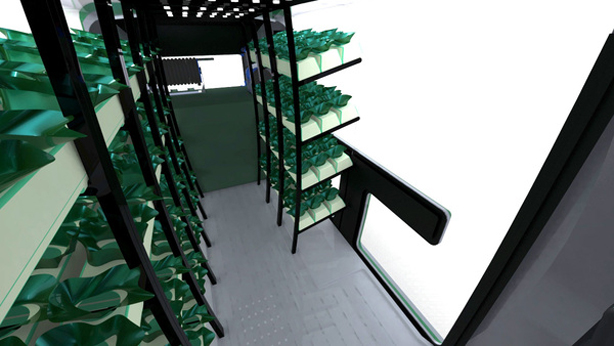
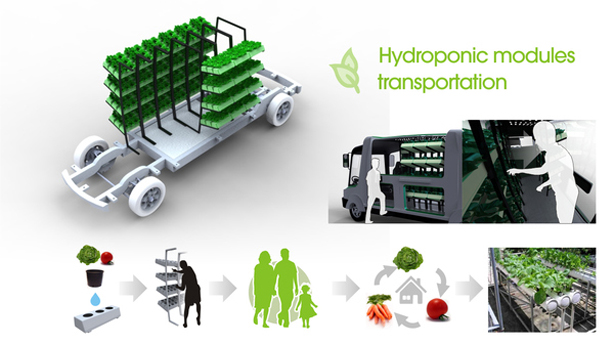
Food & Water 2030 is Argentine industrial designer Nicolás Chacana’s concept for the cultivation of hydroponic produce in a mobile farm, specifically, an urban vehicle that grows and delivers food and drinkable water.


I would like to know how energy efficient the concept is. The delivery of fresh food is a good thing for sure, but is this the most efficient way to do so?


The designer envisions the concept in a future scenario, say 2030, when he projects that pure water and food will be scarce due to contamination, global warming and biofuel production. But, wait: hasn’t that day arrived already in many locales?

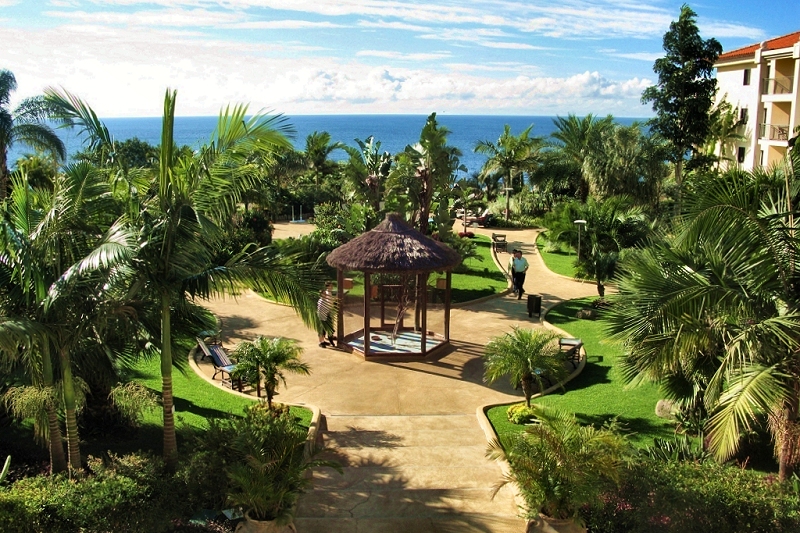
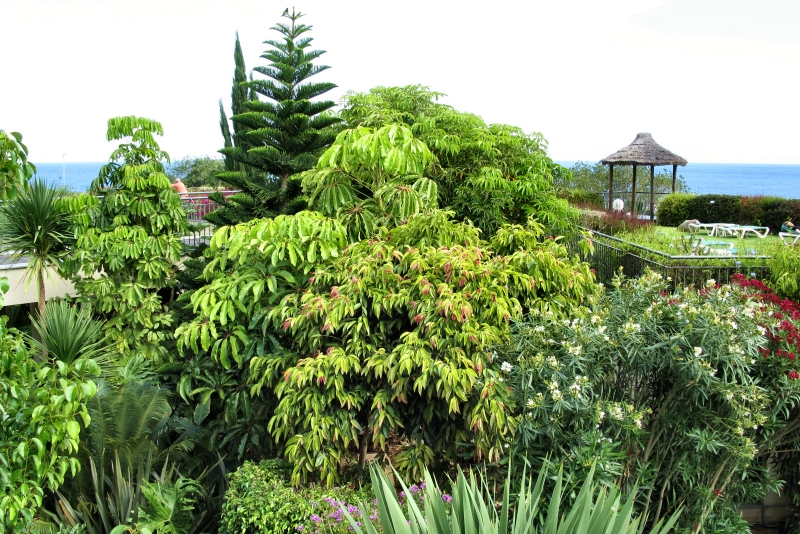
O jardim do resort Vila Porto Mare recebeu o 1º lugar na modalidade de “Unidades Hoteleiras, estabelecimentos comerciais e de restauração”, no âmbito da 15ª edição do concurso “Funchal – Cidade Florida”, dinamizado pela Câmara Municipal do Funchal.

O jardim do resort Vila Porto Mare recebeu o 1º lugar na modalidade de “Unidades Hoteleiras, estabelecimentos comerciais e de restauração”, no âmbito da 15ª edição do concurso “Funchal – Cidade Florida”, dinamizado pela Câmara Municipal do Funchal.
Projetado pelo arquiteto paisagista Gerald Luckhurst, apresenta uma grande diversidade de espécies botânicas, das quais conta com cerca de 500 espécimes, da Madeira mas também vindas dos quatros cantos do mundo. Estão identificadas 106 famílias, 355 géneros, 460 espécies e 555 táxones (espécies, subespécies e cultivares), números que o colocam na Classe excecional do Índice de riqueza florística.
Pensado inicialmente para embelezar a zona de solário, depressa se tornou um espaço de culto, capaz de posicionar a unidade como um hotel botânico. As plantas ostentam placas com informação sobre o nome científico, nomes vulgares em português e inglês, família e área geográfica de origem.
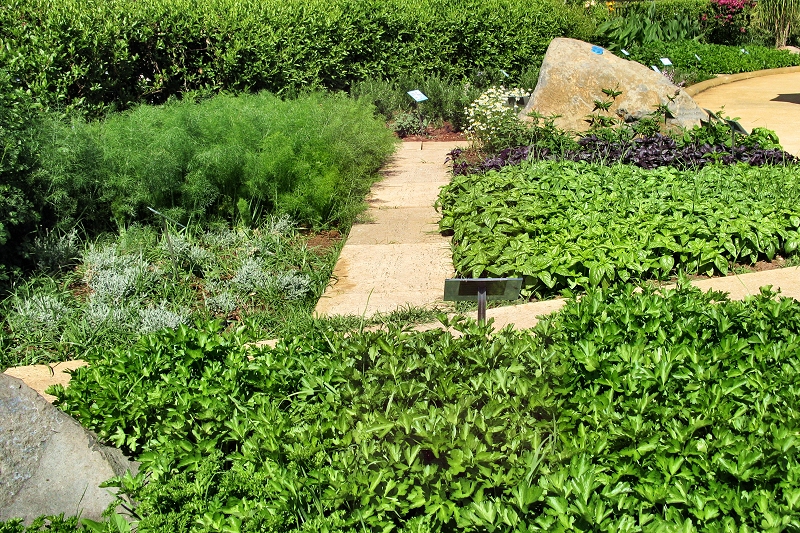
O jardim organiza-se em patamares e possui um espaço dedicado às orquídeas, às árvores de fruto, uma horta tradicional madeirense e ainda o cantinho das ervas aromáticas, as quais sempre que possível são utilizadas nas confeções da cozinha central do grupo Porto Bay.
O Vila Porto Mare integra três unidades hoteleiras – Suite Hotel Eden Mar, Hotel Porto Mare e The Residence, as quais partilham facilidades comuns. Uma mancha de cerca de 13 mil metros quadrados de jardins destaca-se no conjunto do resort, a qual tem vindo a amadurecer desde dezembro de 2003, altura em que foi inaugurado.
 
 
Click to zoom
The garden of the Vila Porto Mare resort has an area of 13400 m² (10100 m² of flowerbeds and lawns; 3300 m² of impermeable area) and was created in two stages.

The oriental section, older and smaller, next to Suite Hotel Eden Mar, was designed and planted in 1988 by Estufa, a company run by technical engineer Duarte Caldeira, under the supervision of agronomy engineer Rui Vieira.

Landscape architect Gerald Luckhurst designed the second stage and the plantation was done in January, 2003.

Many plants were produced at the Jardim Formoso nurseries, in Sintra. Others were bought from italian nurseries (Lazio) and from the South of France. Most palms were purchased at Alicante and Malaga (Spain).
Click to zoom
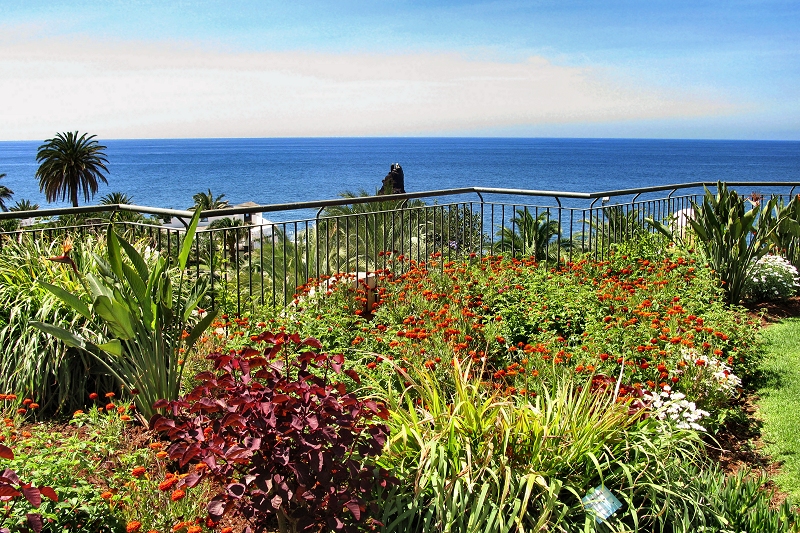
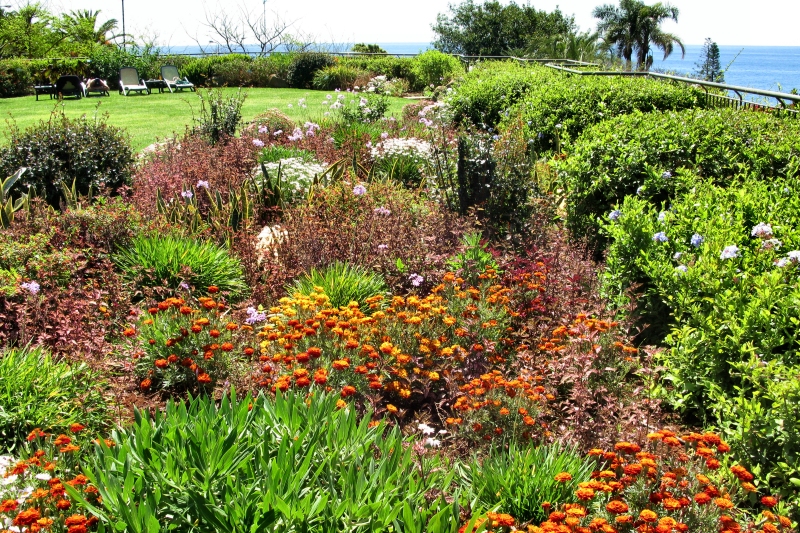
The morphology and atmosphere of this garden show a conceptual connection to the cottage gardens of the british colonies, with a strong presence of tropical and subtropical flora. Species from Australia and the Pacific Islands, Central and South America, Southern Africa and Tropical Asia play a significant role in the remarkable ornamental performance and show a good adaptation ability to the seafront climate, reacting very well to the sea air.
Click to zoom
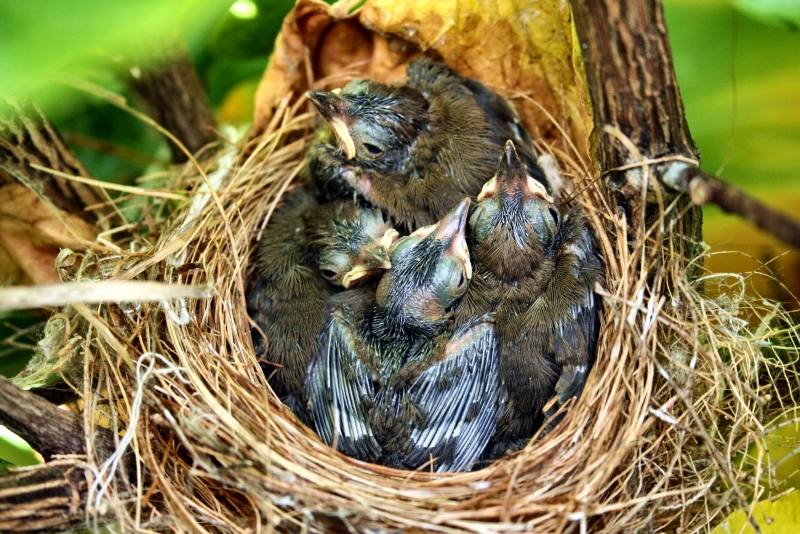
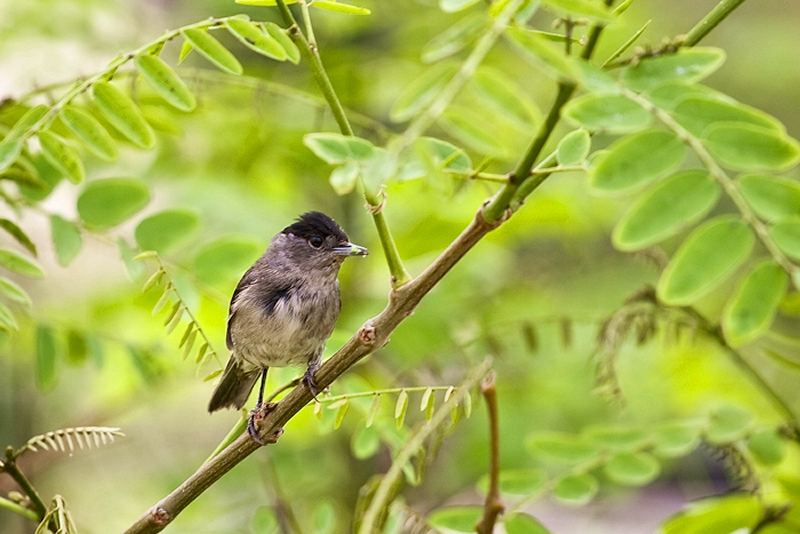
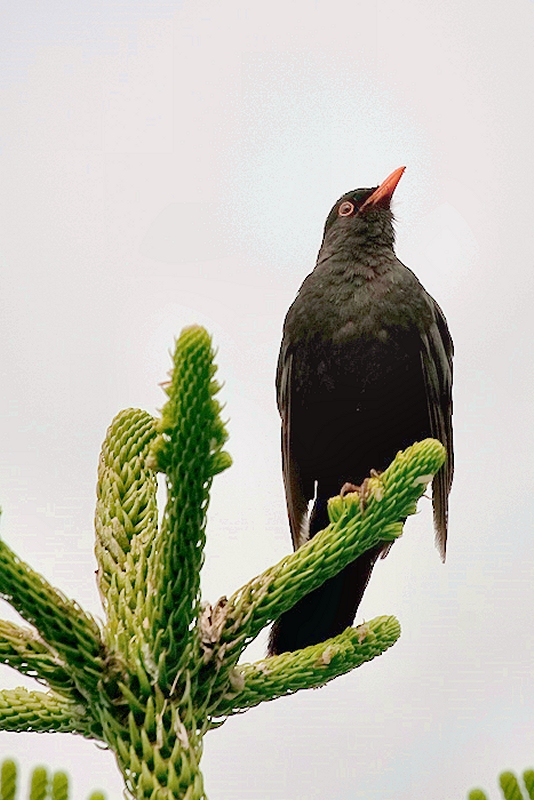
The garden is arranged into three planes. In the intermediate level, a small forest serves as a haven for nesting blackbirds, warblers, sparrows and canaries, which sing all year round for the guests.

The prevalence of the trees and shrubs with persistent leaves is clear, and the rhythm of the seasons is set by the colour of flowers throughout the twelve months of the year.
Click to zoom
The collection of palm trees is made of 44 species, a greater variety than that of the collection of the Botanical Garden of Madeira.

Sugar cane, grapevine and banana, the three most striking plants of the agricultural landscape of Madeira, are mixed with the ornamental plants in a most fortunate way and bring the attention of the visitors to the economic history of the Island.
Click to zoom
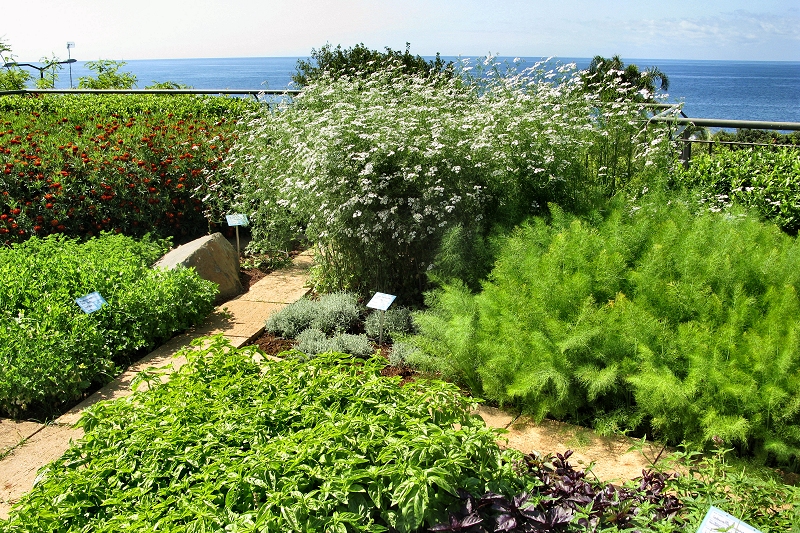
Since 2008 new beds were set for vegetable greens, aromatic and medicinal herbs, with the purpose to bring new scents and flavours to the guests. The vegetable heritage was also enhanced with plant species endemic to Madeira, with special incidence of the xerophile plants of the shoreline.

Aiming at an ecologically sustainable management, the irrigation is done with water from the ‘Levada dos Piornais’, which drastically reduces the use of drinking water. In 2008 equipment was installed for the production of organic compost from the aerobic fermentation of the leaves, coffee grounds, egg shells, remains of fruit and vegetables, and the reduction of chemical fertiliser use is already significant.
Click to zoom
At the garden of Vila Porto Mare one can find 98 families, 314 genera, 398 species and 472 taxa (species, subspecies and cultivars), numbers that place it in the EXCEPTIONAL CLASS OF TAXONOMIC RICHNESS. All plants are identified with signs which provide the visitor with information about the scientific name, common names in Portuguese and English, family and geographical area of origin.

Raimundo Quintal
Centre of Geographical Studies
University of Lisbon
 
Click to zoom
O Jardim do Resort Vila Porto Mare ocupa um espaço de 13400 m² (10100 m² de canteiros e relvados; 3300 m² de área impermeabilizada) e foi criado em duas etapas.

A parte oriental, mais antiga e mais pequena, junto ao Hotel Eden Mar, foi projectada e plantada em 1988 pela empresa Estufa do engenheiro técnico Duarte Caldeira, sob a orientação do engenheiro agrónomo Rui Vieira.

O paisagista Gerald Luckhurst projectou a segunda fase e a plantação ocorreu em Janeiro de 2003.

Muitas das plantas foram produzidas nos viveiros da empresa Jardim Formoso, em Sintra. Outras foram compradas a viveiristas italianos (Lazio) e do sul de França. A aquisição das palmeiras foi feita essencialmente em Alicante e Málaga (Espanha).
Click to zoom
A morfologia e a ambiência deste jardim revelam uma ligação conceptual aos cottage gardens das colónias inglesas com uma forte componente florística tropical e subtropical. É significativa a presença de espécies originárias da Austrália e das Ilhas do Pacífico, da América Central e do Sul, da África Austral e da Ásia Tropical, que, para além do notável desempenho ornamental, revelam uma boa capacidade de adaptação ao clima da beira-mar, reagindo muito bem à maresia.
Click to zoom
O jardim desenvolve-se em três patamares. No nível intermédio, uma pequena mata funciona como refúgio de nidificação dos melros pretos, toutinegras, pardais da terra e canários, que durante todo o ano cantam para os hóspedes.

É claro o predomínio das árvores e dos arbustos de folha persistente, sendo o ritmo das estações marcado essencialmente pelo colorido das flores que se sucedem ao longo dos doze meses do ano.
Click to zoom
A colecção de palmeiras é constituída por 44 espécies, uma diversidade superior à colecção do Jardim Botânico da Madeira.

A cana-de-açúcar, a vinha e a bananeira, as três plantas mais marcantes da paisagem agrária madeirense, associam-se de forma bastante feliz com as plantas ornamentais e despertam o visitante para a história económica da Ilha.
Click to zoom
Desde 2008 têm sido criados canteiros com plantas hortícolas, aromáticas e medicinais, com o objectivo de proporcionar aos hóspedes novos odores e sabores. O património vegetal foi também enriquecido com espécies endémicas da Madeira, com especial incidência para as xerófilas do litoral.

Visando uma gestão ecologicamente sustentável, a rega é efectuada com água da Levada dos Piornais, o que reduz drasticamente o consumo de água potável. Em 2008 foram instalados equipamentos de produção de composto orgânico a partir da fermentação aeróbica das folhagens, borras de café, cascas de ovos, restos de fruta e hortaliças, sendo já sensível a redução dos adubos químicos.
Click to zoom
No Jardim do Resort Vila Porto Mare estão identificadas 98 famílias, 314 géneros, 398 espécies e 472 táxones (espécies, subespécies e cultivares), números que o colocam na CLASSE EXCEPCIONAL DO ÍNDICE DE RIQUEZA FLORÍSTICA. As plantas ostentam placas com informação sobre o nome científico, nomes vulgares em português e inglês, família e área geográfica de origem.

Raimundo Quintal
Centro de Estudos Geográficos
Universidade de Lisboa


Landscaping services Algarve

SITES™ Announces First Certified Sustainable Landscapes


The Sustainable Sites Initiative™ (SITES™) has announced the first three projects to be certified by the nation’s most comprehensive system for rating the sustainable planning, design, construction, and maintenance of built landscapes.
The corporate headquarters of an international manufacturing company, a new university green space, and a children’s playground in an urban park are the first to be recognized for their sustainable land practices from among 150-plus pilot projects that began the certification process in summer 2010. These initial projects are the St. Charles, Missouri, campus of Novus International Inc.; the Green at College Park of the University of Texas at Arlington; and the Woodland Discovery Playground at Shelby Farms Park in Memphis, Tennessee.
SITES is a partnership of the American Society of Landscape Architects (ASLA), the Lady Bird Johnson Wildflower Center of The University of Texas at Austin and the United States Botanic Garden. SITES was created to fill a critical need for guidelines and recognition of green landscapes based on their planning, design, construction and maintenance. The partners have collaborated since 2005 in developing a voluntary, national rating system and set of performance benchmarks for sustainable landscapes in areas with or without buildings.
The certified pilot projects are participating in a pilot program begun in June 2010 to test the four-star rating system created by dozens of the country’s leading sustainability experts, scientists, and design professionals. Projects selected to be pilots are at various stages of development and represent a diverse mix of project types, sizes, locations, and budgets.
The SITES rating system includes 15 prerequisites and 51 additional, flexible credits to choose from. The credit options, totaling 250 points, address areas such as the use of redeveloping brownfields or greyfields; soil restoration; water conservation; use of recycled materials and native vegetation; and sustainable construction and land maintenance approaches.
Certified pilot projects are recognized with one through four stars for obtaining 40, 50, 60 or 80 percent of those 250 points. The Novus headquarters, the Green at College Park, and Woodland Discovery Playground SITES Certified Projects received a 3-star, 1-star, and 1-star rating, respectively.
Among the features Novus developed with SWT Design and others for the 9-acre headquarters was a parking lot with stormwater retention features, a walking trail that winds through restored prairie and other habitat, and a vegetable garden that staff maintain. The garden is fed by a windmill-powered well that retrieves rainwater stored underground. A detention basin captures stormwater on site and provides aquatic habitat and a scenic view from a nearby pavilion topped with a vegetated roof.

“The innovation and analytical thinking of these first certified projects is helping point the way for the next iteration of the guidelines, which will form the basis for open certification in 2013,” said ASLA Executive Vice President and CEO Nancy Somerville.
Landscape architects and engineers with Schrickel, Rollins & Associates designed sustainable features at The Green at College Park in downtown Arlington, including a gathering lawn, shade arbors and drainage gardens. David Hopman, an associate professor of landscape architecture at UT Arlington, led the effort for SITES application and worked with the designers documenting development of the roughly three-acre green space.
The site had served mostly as a parking lot, with poor stormwater drainage that flooded a nearby creek. Now the green space sits next to Arlington’s first mixed-use development and features native and adapted plants in rain gardens and a water detention system that help slow down the flow of stormwater. That process cleanses the water of impurities and captures it for re-use on the green space’s new vegetation.

“Developing inviting outdoor spaces that make the most of precious resources such as water is critical to our future,” said Susan Rieff, executive director of the Lady Bird Johnson Wildflower Center. “These projects powerfully demonstrate how sustainably designed landscapes can produce environmental, economic, and aesthetic benefits.”
The conservancy that oversees Shelby Farms Park developed the Woodland Discovery Playground with James Corner Field Operations and others to restore a woodland and promote children’s health. The 4.25 acre playground with tunnels, swings and other amenities was developed based on current children’s play theories and after workshops with children and adults. It uses recycled athletic shoe material as a surface for several play areas and loose, recycled boot material as a soft landing under a playroom of nets and tree houses. The permeable surface material allows stormwater to soak into the ground to help nourish an arbor enhanced with native trees that surrounds and links playrooms within the space.
“The educational value of these pilot projects is significant. They demonstrate what a sustainable site looks and feels like and now serve as a model to others aspiring for sustainability in a designed landscape,” said Holly H. Shimizu, executive director of the United States Botanic Garden. “Having the first pilot projects certified solidifies years of work into something tangible that we hope will be replicated all around the country.”
SITES will continue to receive feedback from the SITES Certified Pilots and the remaining pilot projects until June 2012. These projects include private residences, streetscapes, industrial complexes, and other settings. Their input as well as the public’s will be used to finalize the rating system and reference guide, expected to be released widely in 2013.
Visit SITES to learn more. Any project can apply to be certified starting in early 2013. For those interested in pursuing SITES certification, start collecting documentation now.
Image credits: (1) SITES, (2) Novus International Headquarters, Novus International / SWT Design, (3) The Green at College Park, University of Texas at Arlington / Schrickel, Rollins and Associates Inc, (4) Shelby Farms Park, Woodland Discovery Center / James Corner Field Operations